

Websites that carry their weight
A site that loads fast on a phone, says plainly what you do, and gives someone an obvious way to get in touch.
Cincinnati, OH
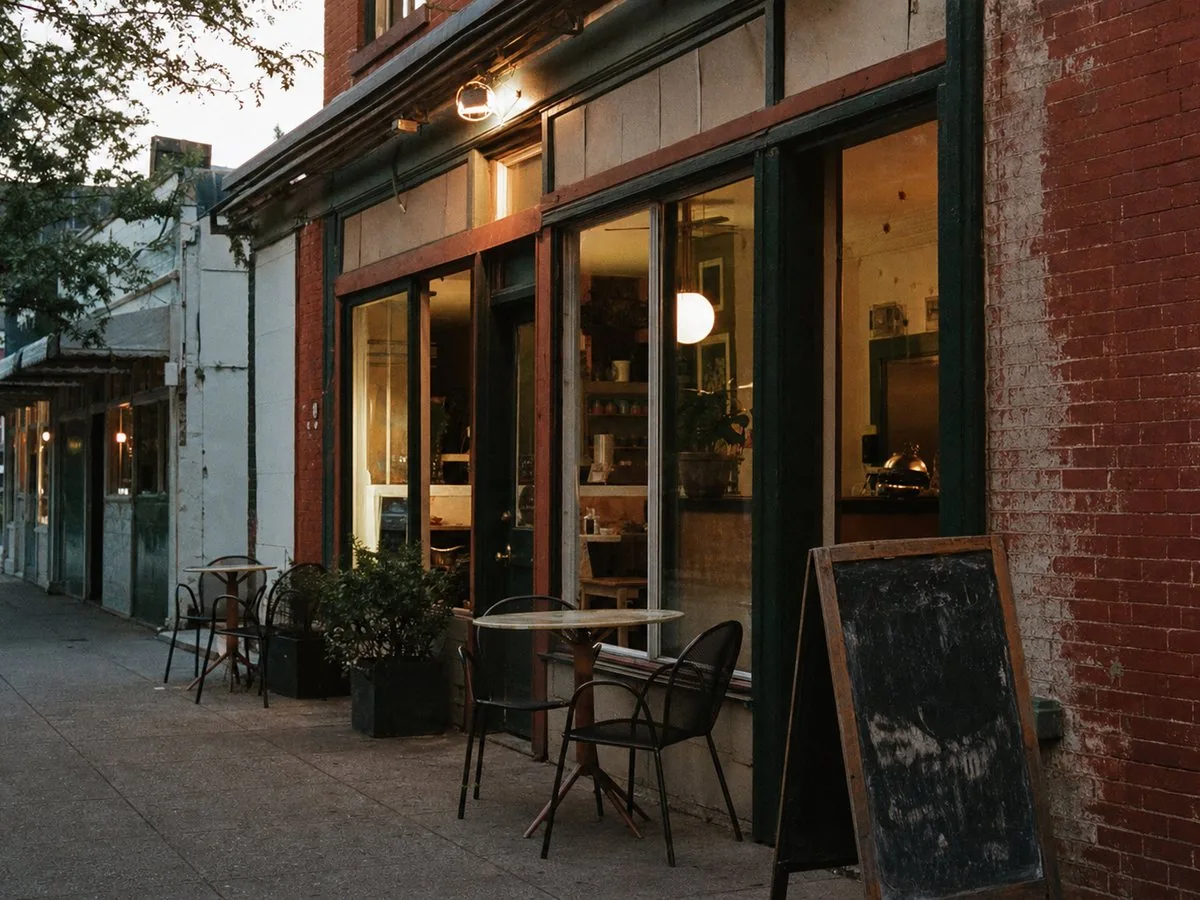
Over-the-Rhine was rebuilt around small business, and the redevelopment there was explicitly aimed at fostering it. That created a district where a new restaurant or shop opens near a dozen others and every one of them is fighting for the same Saturday customer. If your hours are wrong on Google, your menu is a PDF, and nothing you publish mentions the block you sit on, that customer walks past your door to the place that answered the question faster.
Restaurants and independent neighborhood retail
Cincinnati's independent food and retail businesses live on discovery searches made minutes before someone decides where to go. That means Google Business Profile accuracy matters more than a homepage: hours, current menu, photos taken this year, and reviews that mention the neighborhood.
Over-the-Rhine, Hyde Park Square, Oakley and Northside each pull a different crowd, and a place that describes itself as a Cincinnati restaurant instead of an Oakley one loses the comparison. Owners also lose bookings to third party listings that outrank their own site for their own name.
The goal is a better inquiry, not a bigger pile of bad ones.
Real work, real coverage
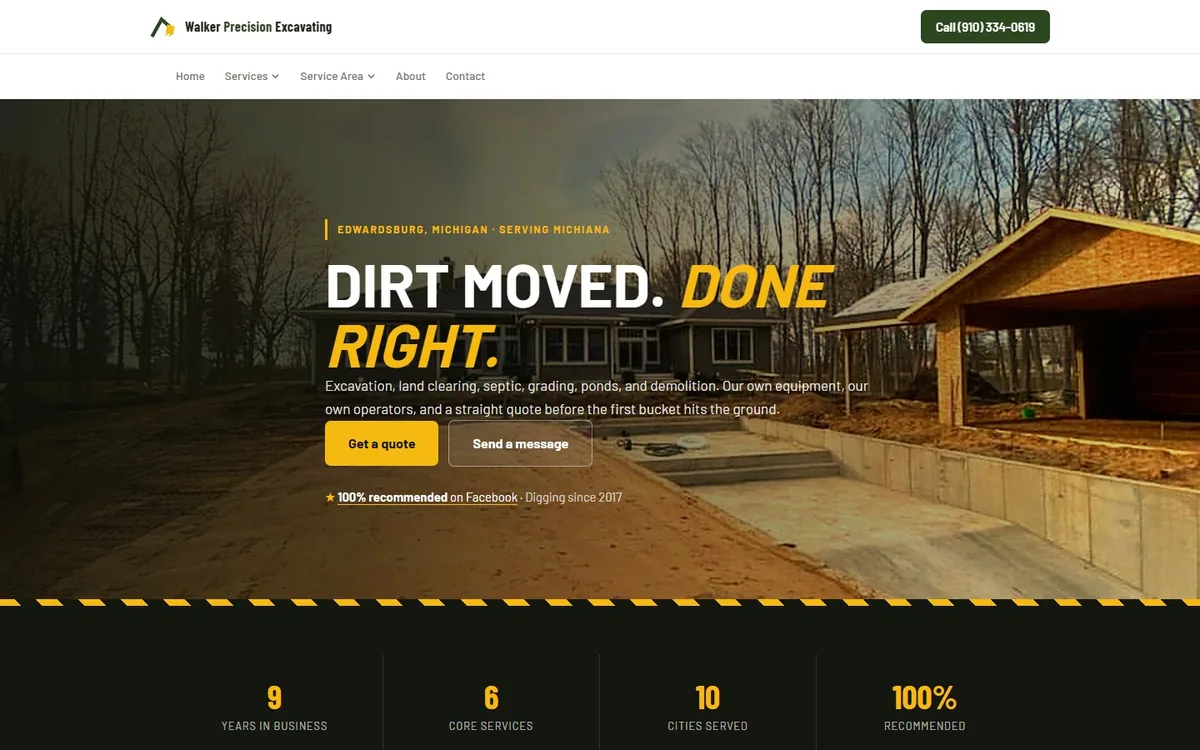
A live client site, not a template preview. Every build starts from what the business actually sells and where it actually works.
The local picture
Cincinnati is built on hills and the neighborhoods stay distinct because of it. Mount Adams, Walnut Hills, College Hill and Price Hill are not interchangeable, and neither is search behavior across them.
Agency competition concentrates on the consumer brands and financial firms downtown, so independent operators in the neighborhoods and in the ring communities like Norwood, Mason and Evendale are often competing mostly against directory pages. Northern Kentucky pulls a share of the metro audience across the river, which means a service business has to be explicit about whether it crosses the Ohio or not.
How it goes
Send your site and I go through it by hand. You get back what is working, what is blocking the next call, and where to start. No call required.
If it makes sense to work together, you get a plan with the work, the price, and the order it happens in. Flat monthly, no long contract.
The work gets done and you get monthly reporting you can actually read, not a dashboard nobody opens.
What the work is
Not a package. The parts that matter for a small business competing locally.
A site that loads fast on a phone, says plainly what you do, and gives someone an obvious way to get in touch.
Google Business Profile, the map pack, and the searches people actually type when they need your kind of work.
A simple routine for requesting reviews so the habit sticks instead of happening once and stopping.
Timing
This is a year round market with steady baseline demand. What moves is event driven: ballpark and Banks foot traffic on game days, Findlay Market weekends, and holiday retail from November onward. Food businesses see swings by week rather than by season, which makes accurate hours and quick review responses matter more than any annual campaign.
Straight answer
Sam Harrington runs this from Three Rivers, Michigan, working remotely. There is no Cincinnati office and no layer of account managers between you and him.
That means when you point out that your Hyde Park customers behave nothing like your Northside customers, the person hearing it is the person changing the site. Small shops usually get the opposite arrangement, where the strategy conversation and the actual work never meet.
Page structure
Four things decide whether a search turns into a call: what you do, where you do it, proof that you have done it, and an obvious way to reach you. Here is that structure laid out.
Cincinnati, OH
Restaurants and independent neighborhood retail in Cincinnati
A wireframe, not a real business. It shows the shape of the page. The words, photos, and offers are yours.
Questions from Cincinnati owners
Start by making your own pages answer what people search for: current menu as readable text rather than a PDF, hours that match your Google profile, and a page that names your neighborhood. Then claim and tighten the profile itself. Aggregators win when your own information is stale, incomplete or trapped in a file.
Yes, plainly. The metro crosses the river, and customers in Covington or Florence will call you either way.
If you do not cross, say so on the service area page so you stop fielding those calls. If you do, name the specific communities. Vagueness costs you either wasted calls or missed ones.
It is crowded, but crowding cuts both ways. Most of the competition publishes almost nothing beyond a homepage and a social account. A page that explains what you actually do, who it is for and where you are on the block will separate you quickly, because the bar in that district is set by whoever bothers to keep information current.
Related
Also serving Norwood, Mason, Blue Ash, Evendale, Fairfield.
Send your site for a free manual Report Card. It comes back within 24 hours on business days, and no call is required.
You will hear what looks solid, what is blocking the next call, and where to start.