

Process
Give each core process a real page. Explain the equipment or workflow in plain technical language, the work it is best suited to, supporting processes, and the questions a buyer should ask before quoting.
Manufacturing and industrial
Nobody buys a fabrication run off a homepage. They need to know whether you can make the part, hold the spec, meet the timeline, and communicate like a supplier they can trust.
The real buyer
A procurement buyer, engineer, plant manager, or owner is not looking for vague brand language. They are checking whether a supplier can perform a process on a material at a tolerance, in a quantity, on a timeline. They may first find you in search, then bring other people into the decision.
That is why manufacturing marketing starts with specificity. A general homepage can state the company story. It cannot do the work of a capability page for laser cutting, welding, forming, machining, finishing, assembly, or the process you actually sell.
Metal fabrication marketing should give a serious buyer enough detail to decide that an RFQ is worth sending. It should never pretend that a complex purchase is a quick ecommerce checkout.
The goal is not more traffic. It is a qualified reason for the right buyer to send the drawing.
Capability pages
Search pages should mirror the way technical buyers narrow a supplier list. Process alone is rarely enough. Material, capacity, tolerance, part type, market, and location can all affect the query and the decision.
Give each core process a real page. Explain the equipment or workflow in plain technical language, the work it is best suited to, supporting processes, and the questions a buyer should ask before quoting.
Name the materials you work with and the tolerances or specifications you can discuss honestly. Do not use broad capability claims if the shop has a more useful specialty.
Show the kinds of parts, assemblies, or industries that fit the operation. Use project detail that protects customer confidentiality while proving the shop understands the work.
The RFQ is the conversion
A generic contact form creates a back and forth that costs both sides time. A useful RFQ path captures the details needed for a serious first look, while still leaving room for the technical conversation that follows.
Allow an upload and tell the buyer what file types or supporting documents help. Make the handoff clear rather than burying it in a general inquiry field.
Quantities, materials, target timeline, process needs, and any relevant specification give the estimating team a useful start. The form should ask only for what moves the conversation forward. Manufacturing marketing should make this technical handoff simpler, not flatten it into a generic lead form.
Confirm what happens after the submission and who will respond. A qualified buyer does not need an automated sales speech. They need to know the RFQ reached a real supplier.
The long decision
The person who finds the website may not be the person who approves the supplier. Engineering checks technical fit. Procurement checks reliability and documentation. Operations cares about capacity and communication. Leadership cares about risk. Your web presence needs to give each of them a reason to keep you in the conversation.
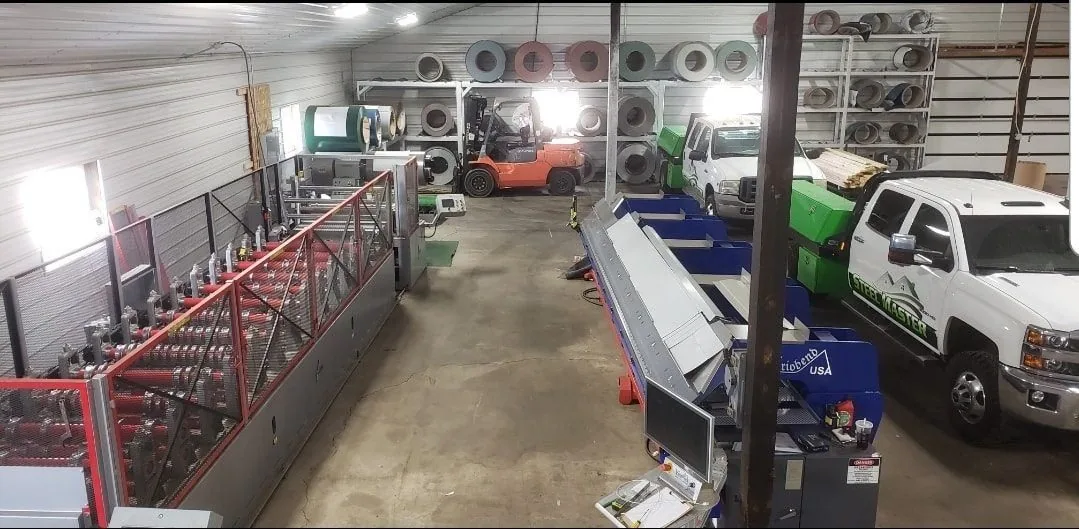
Real photography proves that the operation exists and shows the people, equipment, and work environment behind the claim. Add captions that explain what the buyer is looking at. A glossy image with no context does not answer a technical question.
Certifications, quality systems, material traceability, inspection capability, delivery practices, capacity, and market experience can all help. List only what is current and relevant. Specific facts beat a wall of logos.
Useful industrial SEO content can answer process, material, lead time, tolerance, or supplier evaluation questions. It should be written by someone who understands the shop, not filled with empty manufacturing phrases.
Make it easy to request an RFQ, call, or send a capability question. Buyers may return to the site several times, share it internally, and compare it against suppliers with more polished marketing than actual fit.
Work in this category
Tin Roof Digital works with Lynch's Metal Fabrication in Alto, Michigan. The work focuses on making technical capability, a credible online presence, and a serious inquiry path easier for a buyer to understand.
We are based in Three Rivers and work with businesses across Michigan, Indiana, and Ohio. For industrial firms, proximity helps when it supports firsthand understanding, but the page itself has to speak to the buyer wherever their office or plant is located.
Manufacturing is a strong fit for the industrial economies around Grand Rapids and South Bend and Elkhart. Those are different markets, but both reward suppliers that state what they can do clearly and back it up with proof.

Manufacturing marketing questions
It should include clear capability pages, materials and process detail, relevant trust signals, real shop photography, and a usable RFQ path that captures drawings, quantity, material, and timing.
They often search by process, material, part type, tolerance, industry need, location, or a combination of those terms. The exact language should come from the shop's sales and estimating conversations, not generic keyword lists.
It can help the right people find and evaluate the company earlier in their research. The site also needs enough technical proof to stay credible as the page is shared among engineering, procurement, operations, and leadership.
List current certifications where they support the buyer's decision, but explain what they mean in context. A buyer needs to know how a quality or compliance signal relates to their job.
No. No one can guarantee a specific sales outcome. We can build a clearer technical presence and a better inquiry path, then measure the work against the types of opportunities your team wants.
Get a free manual Report Card on the technical, search, and conversion gaps that may be hiding your real capability from buyers.
Reviewed by Sam Harrington within 24 hours on business days.